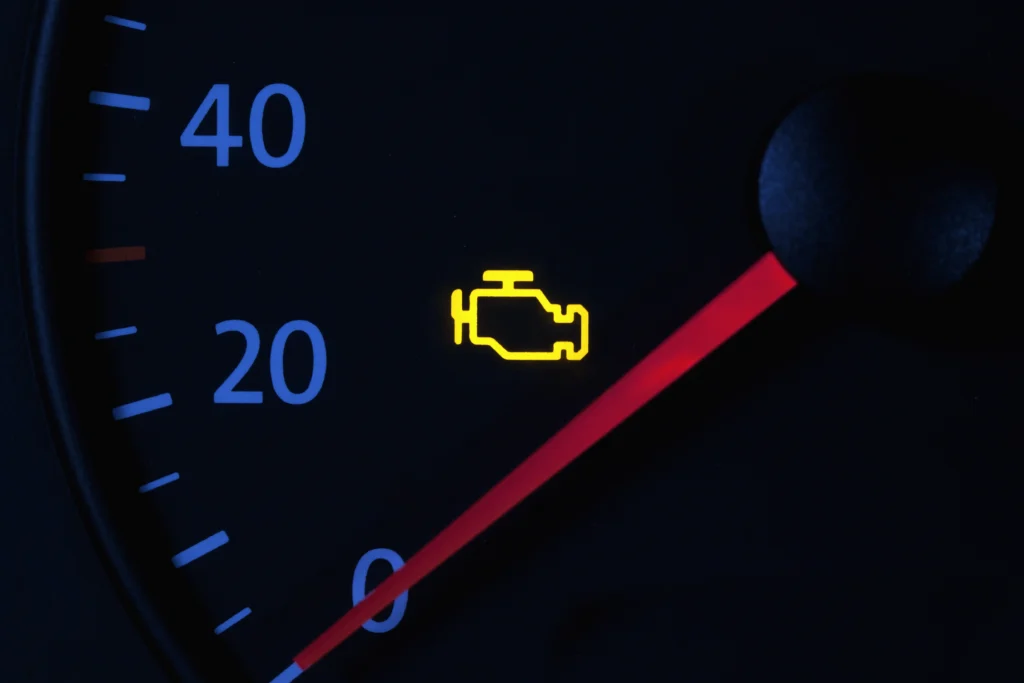
You’re cruising down the road in Fairview Heights, IL when suddenly the check engine light pops on. It’s easy to ignore—your car still feels fine, and you’re not hearing or smelling anything unusual. But that little light can signal a wide range of issues, from a loose gas cap to serious engine trouble. Understanding what your check engine light is telling you—and taking the right steps—can help you avoid costly repairs, reduce the risk of a breakdown, and keep your vehicle running longer.
What Does the Check Engine Light Mean?
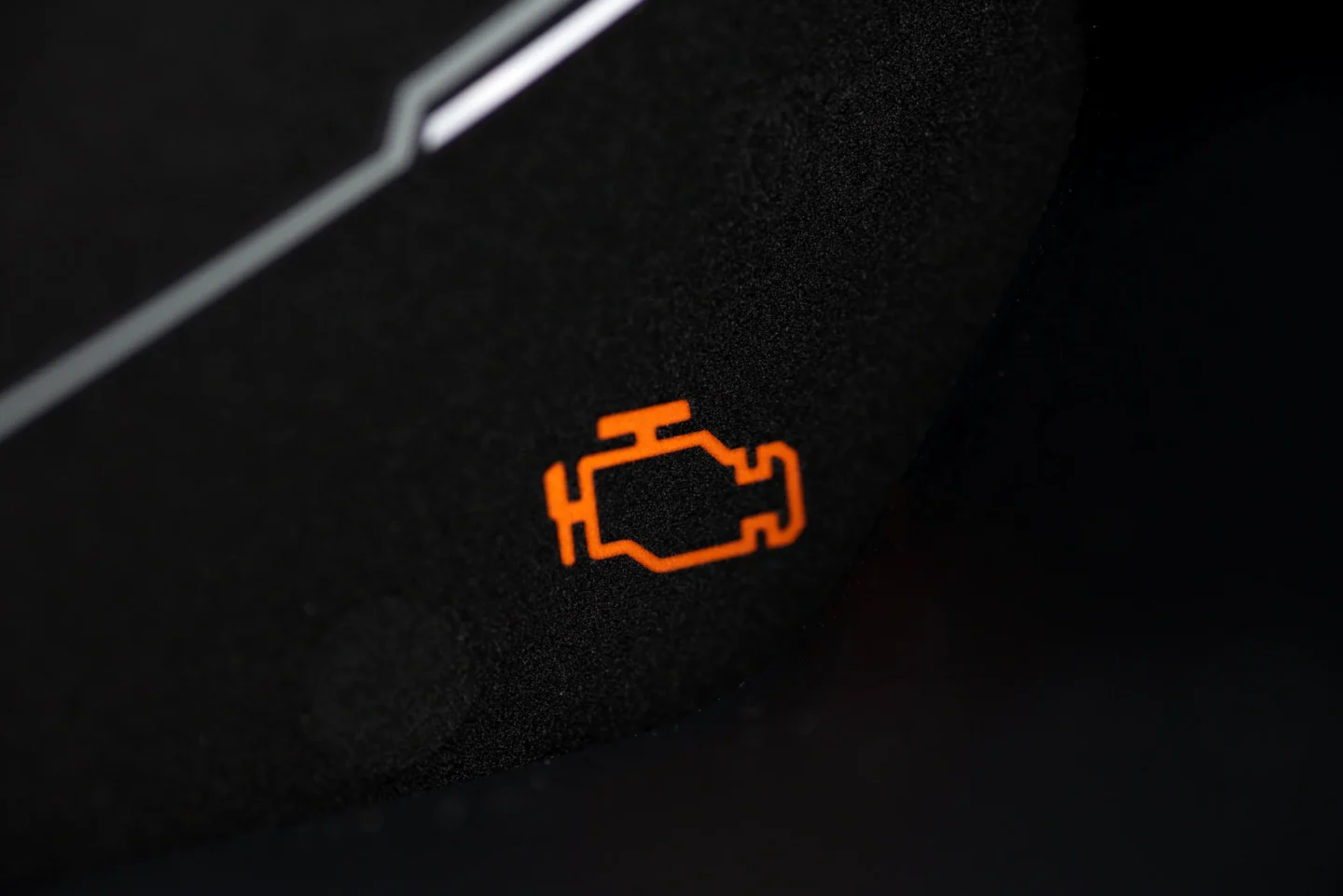
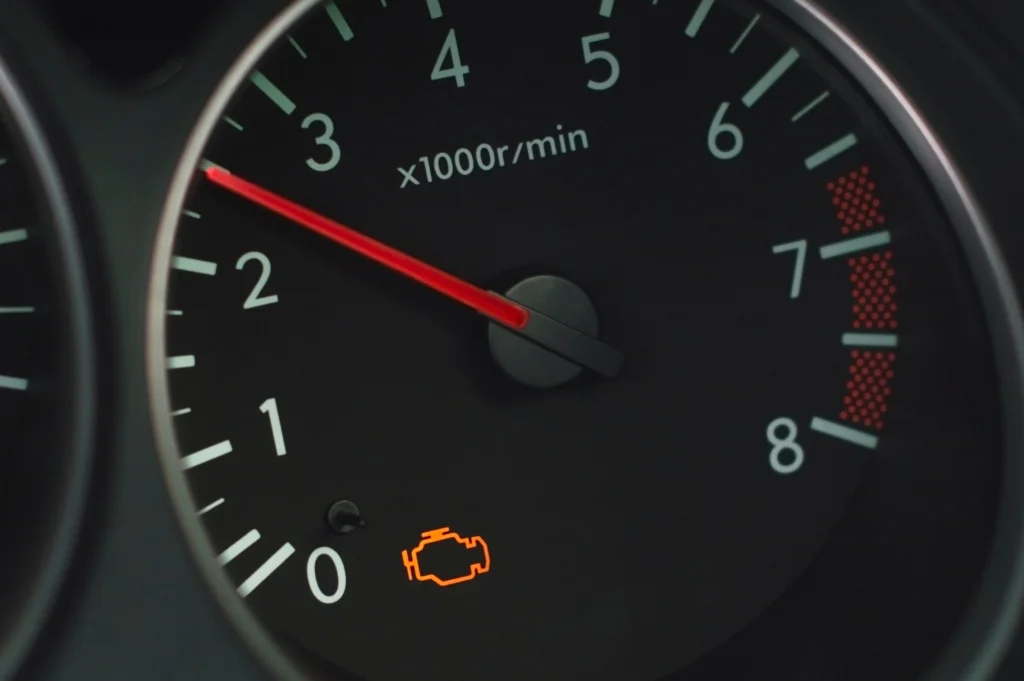
The check engine light (CEL), sometimes referred to as the malfunction indicator lamp (MIL), is a key component of your vehicle’s onboard diagnostics system. When the engine control unit (ECU) detects a problem related to emissions, performance, or major systems like the transmission or fuel injection, it turns on the CEL to alert you. The problem could be as minor as a faulty oxygen sensor or as serious as a failing catalytic converter.
Solid vs. Flashing Light – What’s the Difference?
When the check engine light is solid, it typically points to a less urgent issue—your car is likely still drivable, but you should get it checked out soon to find the root cause. A flashing check engine light, however, signals a more serious problem—often an engine misfire—that could cause immediate damage, such as overheating the catalytic converter. If you see the light flashing, it’s best to pull over safely and contact a mechanic or towing service right away.
Common Causes of the Check Engine Light
- Loose or faulty gas cap – Surprisingly common and easily fixed. Tighten the gas cap securely, then monitor the light—it may turn off after a few driving cycles.
- Failing oxygen sensor – This sensor helps regulate your engine’s fuel-to-air ratio. A faulty one can decrease fuel efficiency and increase emissions.
- Worn spark plugs or ignition coils – These components are essential for proper engine combustion. When they fail, you may notice poor acceleration, rough idling, or misfires.
- Mass airflow sensor issues – This sensor tells your engine how much air is entering, affecting fuel delivery. Problems here can affect both performance and efficiency.
- Catalytic converter failure – A costly repair, but necessary for reducing harmful emissions. Ignoring this can cause long-term engine damage.
Can You Keep Driving?
If your car seems to run fine and the check engine light is not flashing, you can usually keep driving for a short period. However, you should still have the issue diagnosed as soon as possible. Continuing to drive with an unresolved issue could cause minor problems to grow into costly repairs. If the check engine light is flashing, it’s important to stop driving as soon as it’s safe to do so. Engine misfires can quickly overheat and damage the catalytic converter—an expensive fix that might have been avoided with early action.
What Should You Do?
- Check your gas cap first—tighten it and see if the light goes off in a few trips.
- Pay attention to other warning signs like strange noises, reduced power, or unusual smells.
- Visit a mechanic near Fairview Heights, IL for a diagnostic scan. Most repair shops and auto parts stores can read the engine codes to pinpoint the issue.
- Don’t wait too long. Early diagnosis is key to preventing further damage and higher repair costs.
Make sure you give Rowan Tire & Auto Service a call today if you are looking for a trusted mechanic close to Fairview Heights, IL who can inspect your vehicle. We will be able to find out what caused the check engine light to come on.